How Long Does 3D Scanning Spray Last?
Quick answer: Two times matter: how long the coating remains suitable for scanning, and how long it takes to disappear afterward. These are not the same figure.
Practical guide for industrial scanning and optical metrology.
Distinguish scan time from sublimation time
A sublimating coating can begin changing before it has fully disappeared. Use the manufacturer's usable scanning window to plan the session, not only the advertised disappearance time.
Choose the right ATTBLIME formula
ATTBLIME AB2 is designed for shorter sessions, with roughly 1–2 hours of usable scan time and around 2–4 hours to sublimate under stated conditions. AB6 supports longer work, with roughly 2–6 hours of scan time and commonly 6–10 hours to sublimate. ABP is semi-permanent and requires removal when cleaning is needed.
Account for the environment
Film thickness, airflow, temperature, substrate texture, and application technique can alter real-world times. Test a sample when the deadline or surface finish is critical.
Plan multi-part inspection
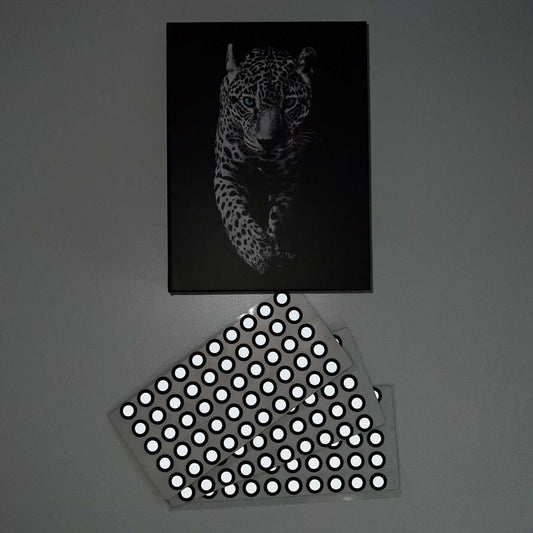
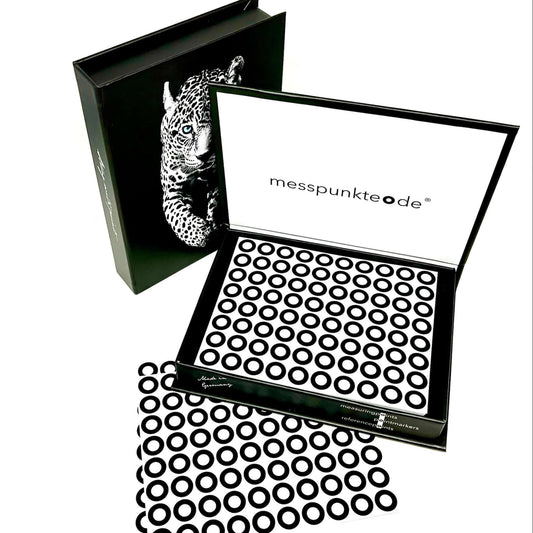
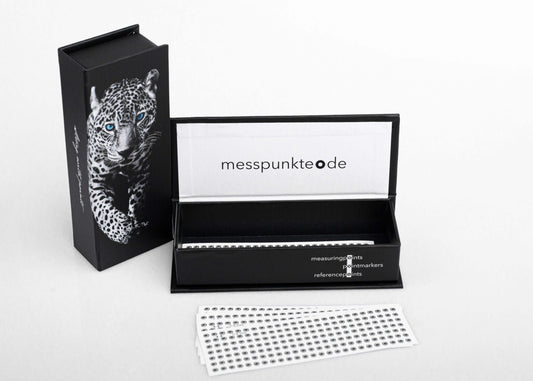
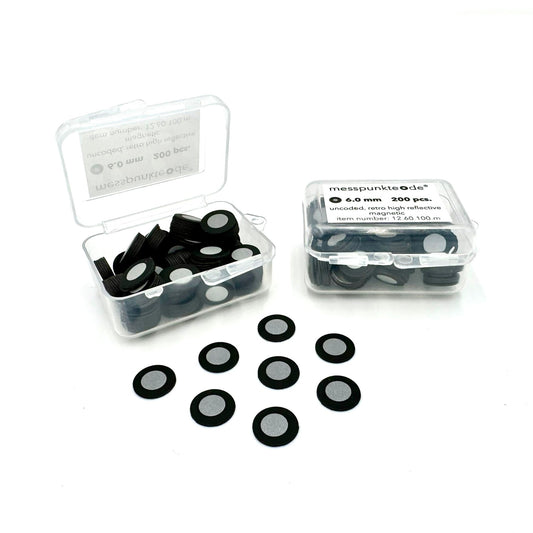
Spray and scan in batches that fit within the working window. Keep reference markers visible and inspect for thinning coverage before recording critical dimensions.
Use current documentation
Check the current technical data sheet and safety data sheet for the exact variant. Do not substitute one ATTBLIME formulation's handling instructions for another.
Related 3D scanning guides
For choosing and applying a coating, see the ATTBLIME formulation guide, proper spray application, and how to coordinate spray and reference markers. These articles cover the next steps in the same workflow.
Frequently asked questions
Does sublimating spray need to be washed off?
A properly applied sublimating formula is designed to disappear without a cleaning operation; check material compatibility and verify the finish on critical parts.
Does ABP evaporate?
ABP is a semi-permanent coating and does not self-sublimate like AB2 or AB6.
Next step: View relevant 3D scanning supplies and technical guidance. For target compatibility and chemical handling, verify the manufacturer's current documentation.
How we select and verify technical sources ↗
Technical guidance is general. Check your scanner documentation and the relevant manufacturer's current technical and safety data sheets before applying products to sensitive parts.