3D Scanning Preparation Checklist: Parts, Markers & Spray
Quick answer: Good preparation prevents the most expensive scanning mistakes: tracking loss, hidden features, moved reference points, and unusable files. Use this checklist before every important scan.
Before the part arrives
Define the final deliverable, acceptable tolerance, critical features, datums, and scan coverage. Decide whether it is a reverse-engineering job or dimensional inspection.
1. Secure the part
Use a rigid fixture that supports the object without obscuring critical geometry. Prevent flexible parts from changing shape during handling.
2. Clean and inspect
Remove loose contamination using an approved method. Document existing scratches, wear, and damage that should appear in the record.
3. Choose tracking strategy
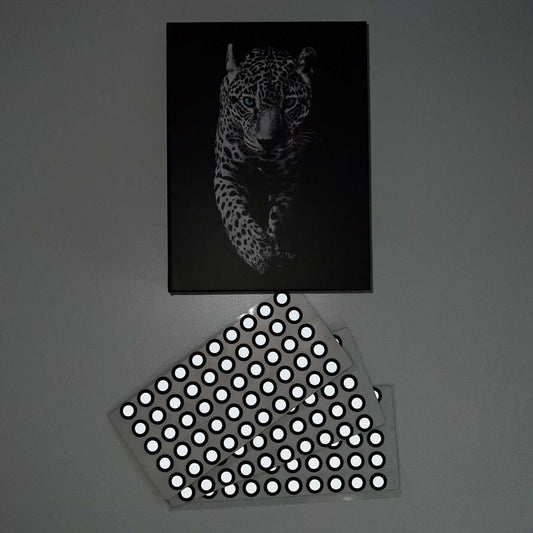
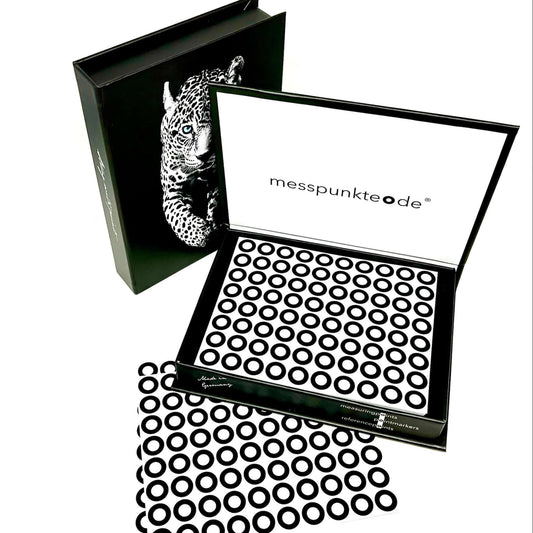
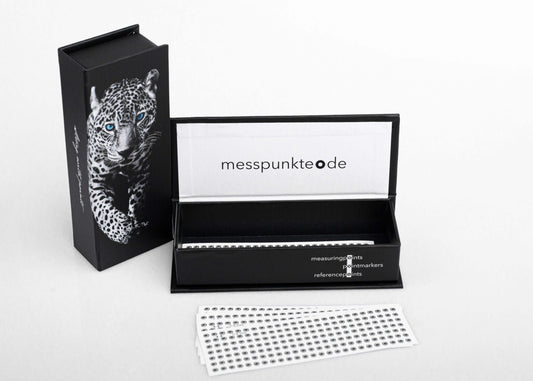
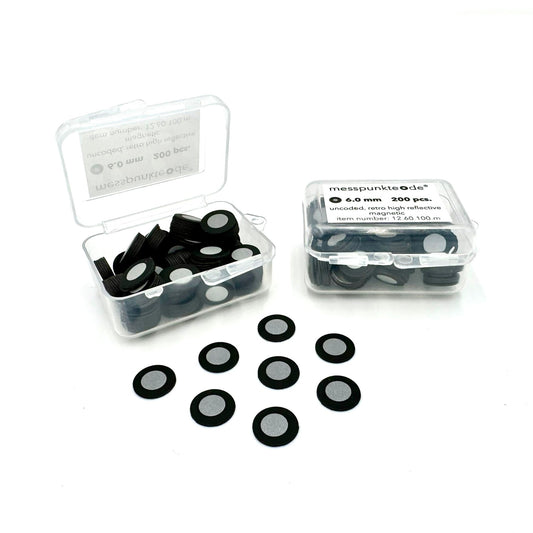
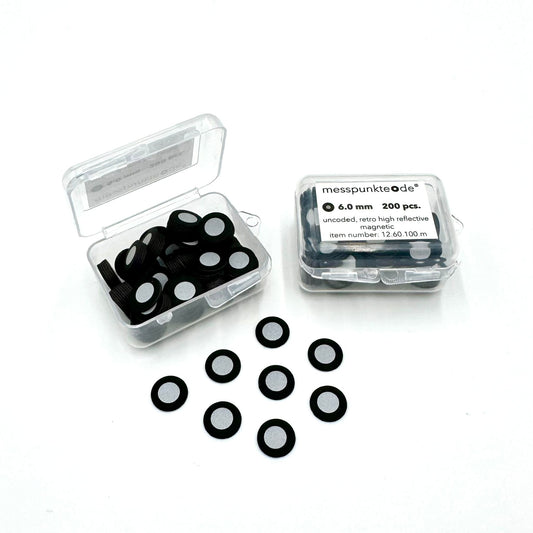
Check whether the scanner needs markers, geometry tracking, photogrammetry, or an external tracker. Confirm target material and diameter from the manual.
4. Assess the surface finish
Test a scan on dark, shiny, reflective, or transparent zones. If necessary, select a compatible temporary ATTBLIME spray and check the technical and safety instructions.
5. Map the scan path
Plan overlapping passes around the part, including recesses, edges, and secondary setups. Check that reference targets stay visible and fixed throughout.
6. Calibrate and capture a reference
Complete required scanner calibration or verification and include a known dimension or reference artifact where appropriate.
7. Validate the output
Inspect holes, alignment, color-deviation mapping, mesh scaling, and export format. Record any areas reconstructed by software rather than measured directly.
Related 3D scanning guides
For detailed setup instructions, use our reference-marker placement guide, the scanning-spray application guide, and file-format selection for the final deliverable. These articles cover the next steps in the same workflow.
Frequently asked questions
What should I do first, markers or spray?
For many reflective surfaces, spray first to avoid coating marker centers, but validate marker adhesion and follow scanner-specific instructions.
What is the most common preventable mistake?
Starting a long scan without verifying tracking and coverage on a small representative area.
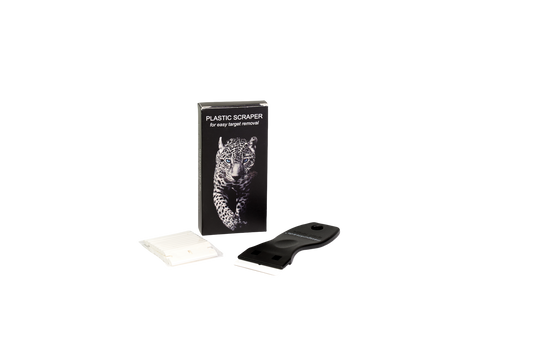
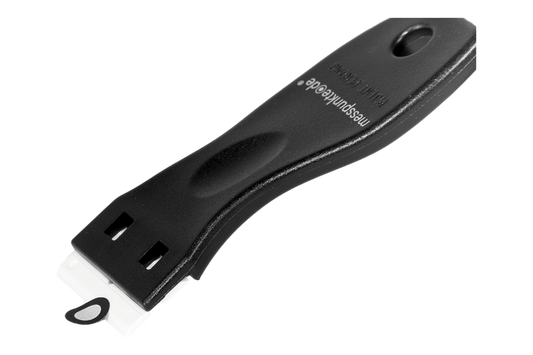
Further reading and supplies: Explore Messpunkte 3D scanning targets. Check the current equipment manual and product technical documentation for your specific setup.
How we select and verify technical sources ↗
Technical guidance is general. Check your scanner documentation and the relevant manufacturer's current technical and safety data sheets before applying products to sensitive parts.